
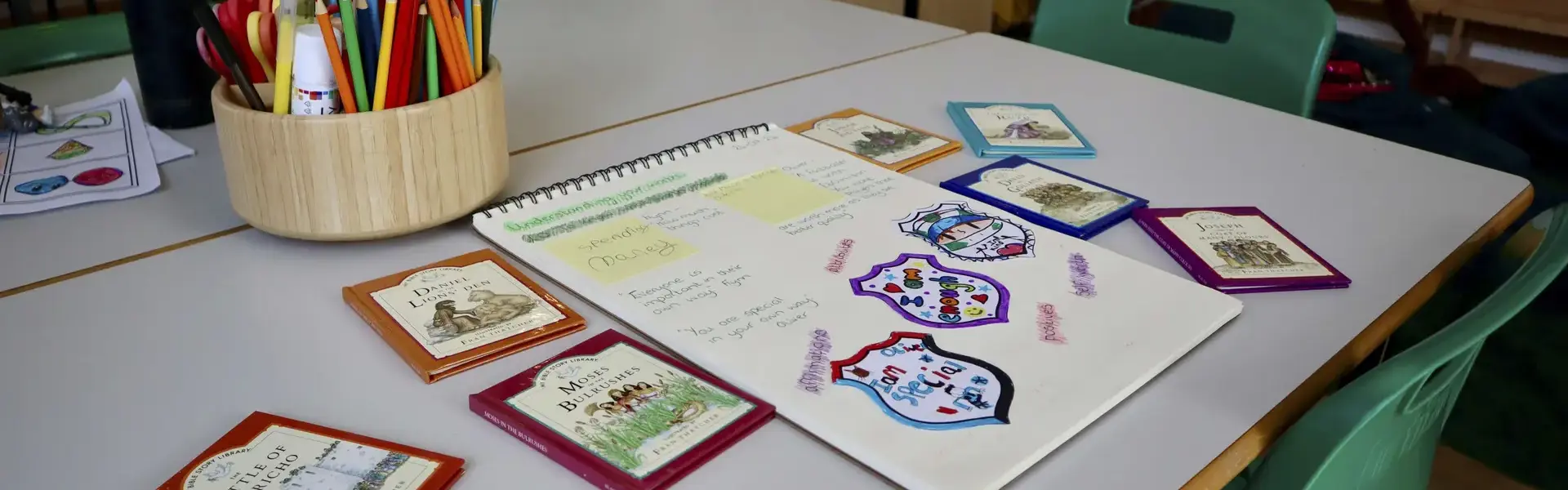
Ethics & Philosophy At The Levels School
Ethics and philosophy is an important subject in supporting the teaching of British Values and SMSC with many cross-curricular links, particularly to PSHE. The curriculum provides a strong basis of knowledge of the six major world religions, which are then built on through discussions around ethics and philosophy.
Lessons at The Levels School are taught with a range of teaching and learning techniques, allowing plenty of time for discussion and the processing of the "big questions" and finding links between concepts.
Prep
Prep students are taught in mixed-age and mixed-ability groups consisting of children from Years 3 to 6. All Prep children are taught the same Ethics and Philosophy curriculum in a single year. To avoid repeating the same units, the Prep curriculum has been mapped over three years, with students studying different units in years 1, 2 and 3.
| Year 1 | Year 2 | Year 3 | |
|---|---|---|---|
| Autumn Term | Christianity and Judaism | Forgiveness, Freedom and Justice | Worship and The True Meaning of Christmas |
| Spring Term | Islam and Buddism | Peace and Eternity | Food and Fasting, and The Easter Story |
| Summer Term | Hinduism and Sikhism | Commitment and People of Faith | Creation Stories and Pilgrimages |
Key Stage Three
| Year 7 | Year 8 | Year 9 | |
|---|---|---|---|
| Autumn Term | Comparative Religions | Judaism | Sikhism |
| Spring Term | Christianity | Buddhism | Ethics |
| Summer Term | Islam | Hinduism | Philosophy |
External Links
| KS2 BBC Bitesize | KS3 BBC Bitesize |
| Primary R.E. | The Day News |
| Newsround | BBC Ideas |
Holiday Activities
If you're looking to support your child's ethics & philosophy studies at home, try the following activities:
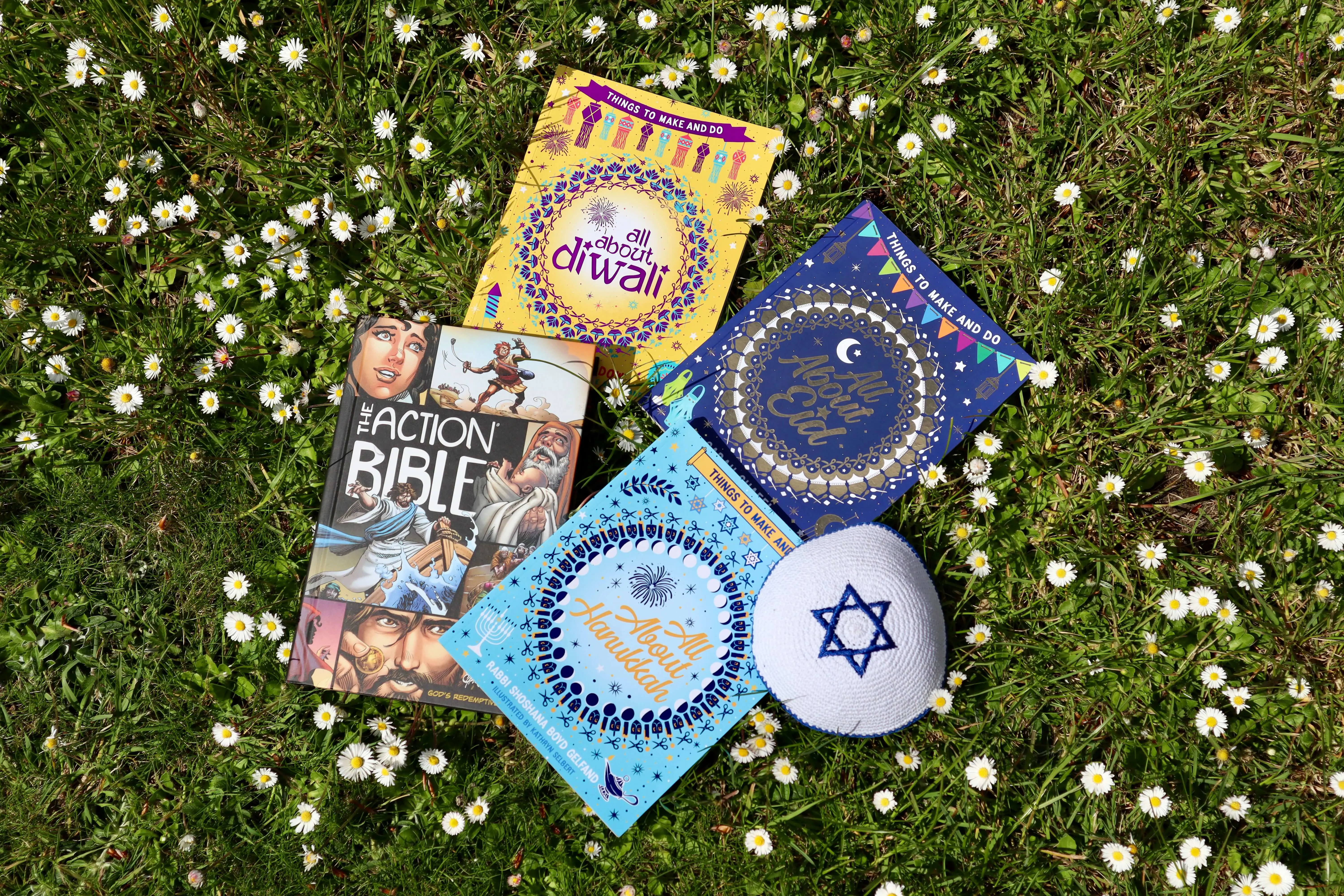
Reading fiction, particularly books with characters of different faiths and cultures. A great one to read is the "Narnia" series.
Reading philosophy, ethics and religion books, such as "The Little Book of Humanism" and Bible stories for children.
Watching relevant films, TV shows and documentaries. BBC iPlayer has lots of great documentaries about different cultures and religions. There are many films and TV shows which delve into philosophical and ethical questions, such "Bruce Almighty", "Life of Pi", "The Prince of Egypt", "The Good Place", "Ghost", "iRobot" and "The Matrix".
Seeing relevant theatre productions, such as "Joseph and the Amazing Technicolour Dreamcoat" or "Jesus Christ Superstar".
Visit sites of religious importance. Many churches, synagogues, mosques etc. have open days and welcome visitors.
Visit places of awe and wonder. Many people experience feelings of awe and wonder in places with amazing architecture, like St Paul's Cathedral, or incredible natural sites, such as Cheddar Gorge. These experiences can make children consider their place in the universe and question the presence of a larger power.
Discussions at home about "big questions". Children love to talk to family members about their beliefs regarding many philosophical and ethical questions. Where did the universe come from? What happens when we die? Is it ever right to lie? Is it right for humans to eat animals?